Assessing Lifecycle Costs: Skid-Mounted vs. Stick-Built Process Installations
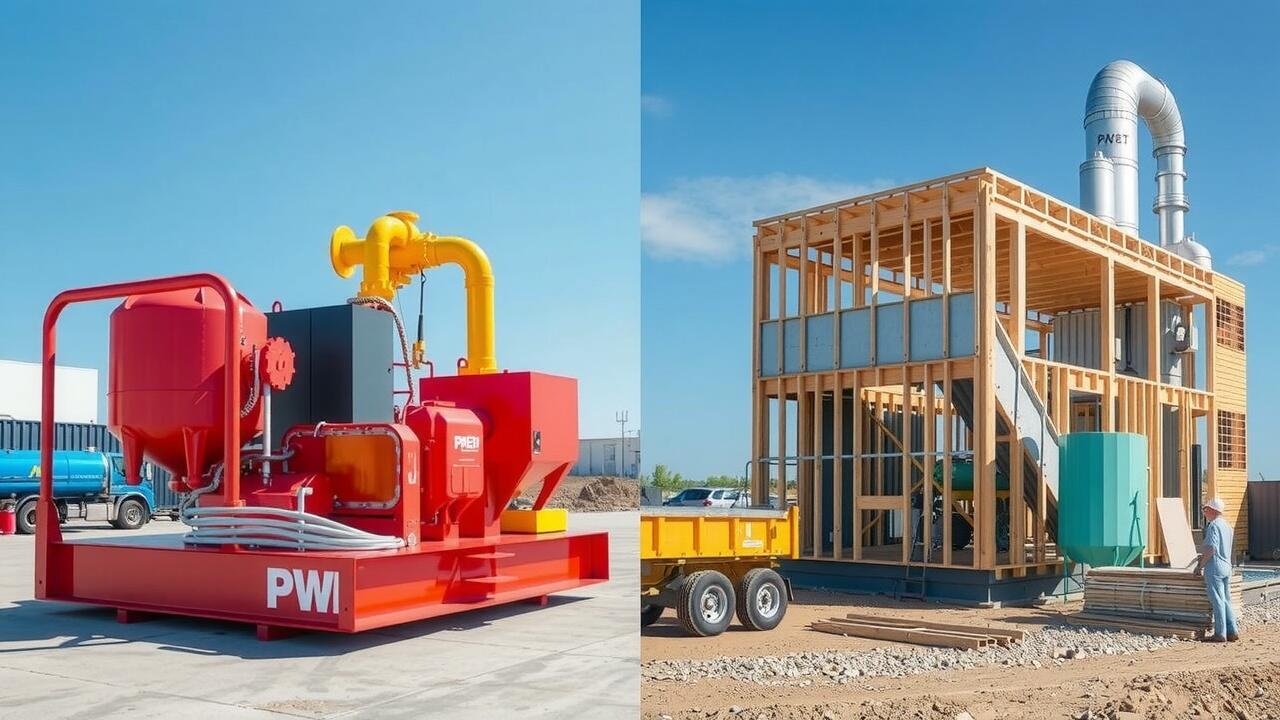
Table Of Contents
Maintenance and Operational Costs
Effective maintenance strategies significantly influence operational costs, especially in facility installations. Skid-mounted systems tend to have lower ongoing maintenance needs than traditional stick-built installations. For example, modular process skids from AGI Fabricators are designed for ease of access, allowing maintenance personnel to perform routine checks and repairs without extensive downtime. This accessibility can lead to reduced labor costs and increased productivity as systems require fewer man-hours to maintain.
Operational costs also vary with installation type. Stick-built constructions often involve longer installation timelines and higher initial expenditures, which can escalate maintenance costs over time. According to industry data, modular process skid manufacturers report that their products can decrease operational costs by up to 30% due to simplified maintenance requirements and improved lifecycle efficiency. Implementing these skids can also ensure better alignment with industry standards, potentially lowering compliance-related expenses while enhancing overall system reliability.
Which Installation Type Offers Better Long-Term Value? (Maintenance Needs)
Evaluating the long-term value of skid-mounted versus stick-built process installations reveals significant differences in maintenance needs. Skid-mounted units often incorporate modular process skids, which facilitate easier upgrades and repairs. This design allows for streamlined access to critical components, leading to reduced downtime during maintenance activities. For instance, facilities utilizing modular process skids can expect to complete routine maintenance tasks in about 30% less time compared to traditional stick-built setups. The simplified nature of these installations from manufacturers like AGI Fabricators contributes to lower overall operational costs by minimizing the frequency and complexity of service interruptions.
In contrast, stick-built installations may present challenges in maintenance due to their fixed nature. Components can be harder to reach, and repairs often require extensive disassembly, escalating labor costs. One facility reported that transitioning to a skid-mounted configuration resulted in a 40% decrease in annual maintenance expenses, showcasing the practical benefits of investing in modular design. Compliance with industry regulations is also easier with skid-mounted systems, which could lead to further savings by avoiding potential penalties related to insufficient maintenance practices. Organizations prioritizing efficiency and cost-effectiveness would benefit from considering the long-term implications of their installation choices.
Regulatory Compliance and Safety Standards
Regulatory compliance significantly influences both operational costs and the overall success of process installations. For companies like AGI Fabricators, a prominent modular process skid manufacturer, adherence to industry regulations is not just a requirement but a fundamental part of their operational strategy. The specific requirements set forth by OSHA and EPA can incur additional costs if not meticulously followed. For example, companies utilizing modular process skids may find reduced compliance burdens due to lower emissions and streamlined assembly processes that meet safety standards more efficiently.
Additionally, the financial implications of non-compliance can be substantial. Fines, potential shutdowns, and delays in project timelines can all lead to increased long-term costs. Implementing safety protocols and regular inspections can enhance compliance and mitigate risks. Organizations that invest in high-quality equipment skids often experience a reduction in both operational risks and regulatory challenges. This proactive approach not only fosters a safer work environment but also ensures smoother operations, reflecting well on the company's reputation in the industry.
How Does Compliance Impact Overall Costs? (Potential Fines and Delays)
Regulatory compliance significantly impacts the overall costs associated with both skid-mounted and stick-built process installations. Non-compliance can lead to substantial fines and operational delays, forcing companies to allocate unplanned resources to address such issues. For instance, a recent study highlighted that businesses facing regulatory penalties can incur losses exceeding 10% of their revenue, not including the additional costs tied to rectifying compliance failures. This financial strain emphasizes the necessity of integrating compliance considerations into the project planning phase.
AGI Fabricators exemplifies how a modular process skid manufacturer can alleviate compliance burdens through pre-engineered solutions that adhere to industry standards. By utilizing equipment skids designed with regulatory compliance in mind, companies can streamline installation processes while reducing the risk of costly delays. The modular design enables faster onsite assembly and can adapt to evolving safety regulations, ultimately supporting operational efficiency and long-term cost savings. Investing in such compliant systems not only mitigates risks but also fosters sustainable growth within the industry.
Case Studies
AGI Fabricators has demonstrated the effectiveness of adopting modular process skids in various applications. In a recent project, the implementation of equipment skids reduced installation time by 40% compared to traditional stick-built setups. This approach not only facilitated quicker deployment but also minimized the overall labor costs significantly. Modular design allowed for better quality control through off-site fabrication, ensuring components met stringent industry standards and regulations while reducing on-site risks.
Another relevant example can be found in a mid-sized chemical processing plant. By choosing a skid-mounted solution, they achieved a 30% reduction in energy consumption through optimized design and integration of more efficient equipment. This case illustrates how shifting from stick-built to modular installations can lead to substantial long-term savings. The commercial success of AGI Fabricators in enhancing system efficiency and compliance underscores the strategic advantage of utilizing modular process skids for modern industrial needs.
What Can We Learn from Real-World Examples? (Success Stories)
One notable case study involves a multinational petrochemical company that opted for modular process skids from AGI Fabricators. By utilizing these pre-assembled units, the company reduced its installation time by 30%, which led to significant savings on project timelines and labor costs. Furthermore, the streamlined commissioning process minimized disruptions in operational productivity during the transition. This approach also allowed for easier alignment with industry regulations, simplifying compliance with standards set forth by the Environmental Protection Agency (EPA).
Another example comes from a pharmaceutical manufacturer that faced escalating costs due to delays and inefficiencies associated with stick-built installations. The company shifted to equipment skids designed and constructed by AGI Fabricators. They experienced nearly a 25% reduction in maintenance costs and achieved a 40% faster return on investment compared to previous projects. These positive outcomes underscored the long-term value of modular installations, showcasing enhanced operational flexibility and improved adherence to safety regulations. Companies looking for competitive advantages can learn from these success stories, reinforcing the value of integrating innovative solutions in their processes.
5 Key Strategies for Reducing Lifecycle Costs
Adopting modular process skids significantly enhances efficiency in lifecycle cost management. These skids allow for faster installations and modifications, reducing labor and downtime during the installation phase. AGI Fabricators exemplifies this approach by providing customizable buildings that can quickly adapt to evolving project requirements, minimizing the need for extensive redesigns or costly retrofits. For instance, a recent project utilizing AGI's equipment skid solutions reported a 30% reduction in installation times compared to traditional stick-built processes, ultimately leading to lower operational expenses.
Implementing preventive maintenance strategies further ensures long-term savings. Regular maintenance schedules can extend the lifespan of critical equipment and prevent costly failures. Studies suggest that facilities employing preventive maintenance save up to 25% on repair costs. By integrating advanced monitoring systems within modular process skids, operators can preemptively identify issues before they escalate. For example, a chemical processing plant employing these strategies successfully reduced unplanned downtime by 40%, demonstrating the effectiveness of proactive engagement in lifecycle management.
What Actions Can Lead to Cost Savings? (Best Strategies Identified)
Implementing proactive maintenance schedules can significantly reduce lifecycle costs. Regular inspections, especially for equipment skids, help identify potential malfunctions before they escalate into expensive repairs. For example, a modular process skid manufacturer reported that its clients who adopted a rigorous preventative maintenance program achieved a 30% reduction in unexpected downtime. This strategy not only cuts costs but also extends the operational lifespan of installations, further enhancing return on investment.
Investing in training programs for staff can yield substantial savings. When employees understand how to operate and maintain modular process skids effectively, they can minimize the risk of user-related failures. Data shows that companies providing thorough training programs see a 20% decrease in operational errors. Creating a knowledgeable workforce ensures compliance with industry regulations and safety standards, which safeguards against potential fines or delays that could impact overall project timelines and budgets.
- Regularly perform equipment inspections to catch potential issues early.
- Implement a preventative maintenance program to lower unexpected downtime.
- Invest in comprehensive training programs for staff to improve operational efficiency.
- Encourage employee feedback to identify areas for process improvement.
- Utilize technology and data analytics for predictive maintenance planning.
- Establish clear communication channels between departments to streamline operations.
- Evaluate and renegotiate supplier contracts to secure better pricing and terms.
Conclusion
Evaluating lifecycle costs between skid-mounted and stick-built installations provides critical insights essential for organizations seeking long-term operational efficiency. Skid-mounted solutions, particularly those from a reputable modular process skid manufacturer like AGI Fabricators, often demonstrate reduced maintenance and operational expenses over time. An example can be seen in a recent case study where a facility opted for modular process skids, resulting in a 25% decrease in downtime compared to traditional stick-built systems. This reduction is attributed not only to improved designs but also to the ease of relocation and modularity.
Safety compliance remains a top priority in the industry, impacting lifecycle costs significantly. Firms that prioritize adherence to regulations often avoid costly fines and operational delays. The efficiency of equipment skids in meeting these compliance standards reflects an investment that pays dividends through reduced penalties and operational interruptions. Effective lifecycle management strategies focus on selecting the right installation type, leveraging modular designs, and ensuring ongoing compliance, all of which AGI Fabricators expertly supports with its innovative solutions.